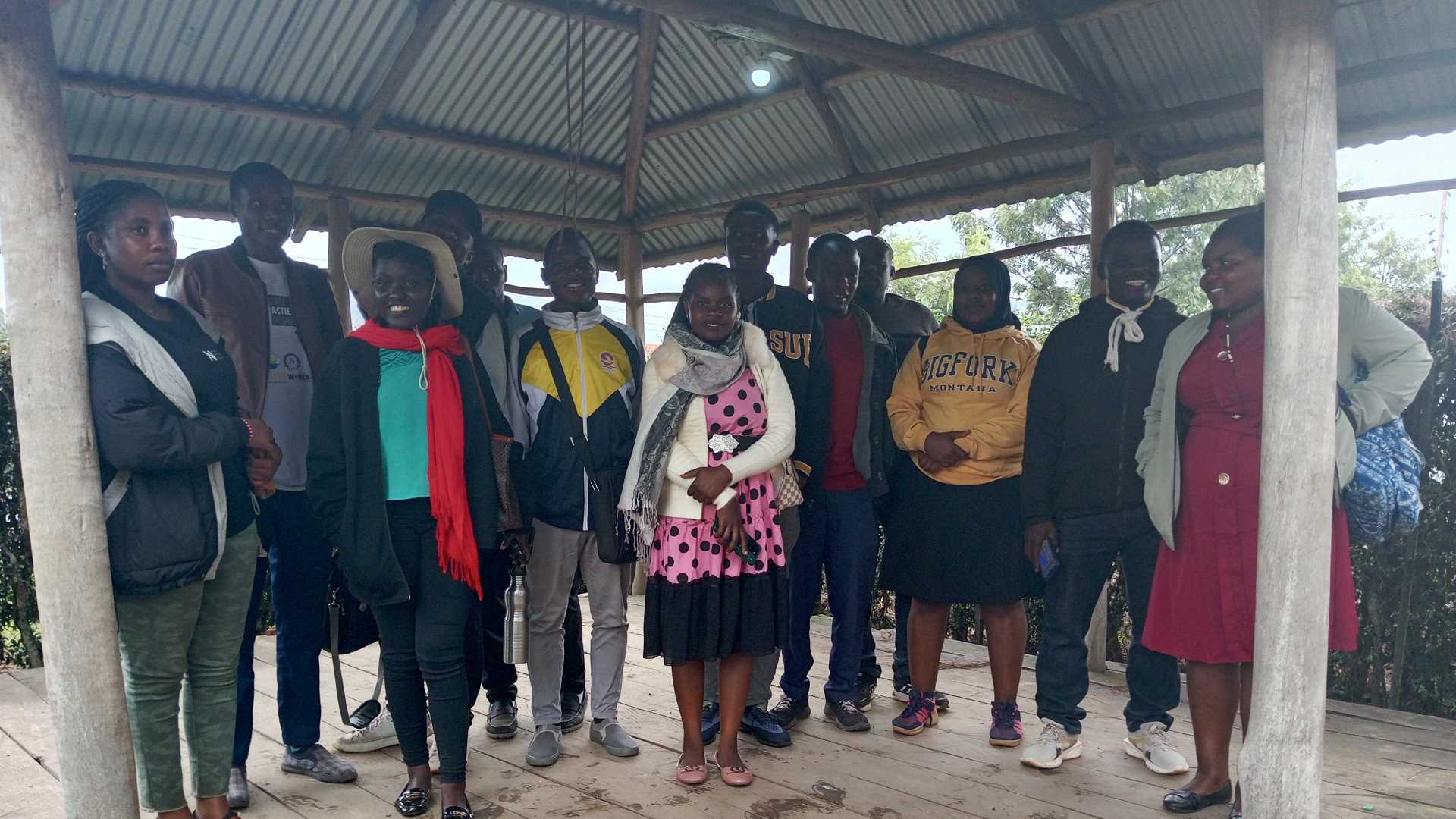
This is SAFU-Uganda's flagship program addressing climate change, land degradation, and food insecurity in the Kigezi region.
- Promotion of Sustainable Farming: SAFU-Uganda promotes a fundamental shift from chemical-intensive agriculture to regenerative, organic farming systems. We work with smallholder farmers to reduce reliance on harmful synthetic fertilizers and pesticides that degrade soils and pollute water sources. Our approach encourages time-tested practices including crop rotation to break pest cycles, intercropping of legumes with cereals for natural nitrogen fixation, and integration of agroforestry where fruit and nitrogen-fixing trees are planted within farmlands. We train farmers in natural soil fertility management using compost, green manure, bio-slurry, and vermicompost, alongside physical conservation structures like terraces, trenches, and check dams. The goal is to restore soil health, increase yields sustainably, lower production costs, and produce healthy, chemical-free food while conserving biodiversity and building resilient farming systems that can withstand climate shocks.
- Farmer Trainings and Capacity Building: Through hands-on farmer field schools, demonstration plots, and community workshops, SAFU-Uganda equips farmers with practical agro-ecological skills. We demonstrate how to make and apply compost and organic manure, prepare organic bio-pesticides from local materials like neem and chili, and implement water-efficient farming. We intentionally blend modern agro-ecological science with valuable indigenous knowledge from elders on weather prediction, traditional seed preservation, and companion planting. Our agricultural extension workers provide continuous mentorship, establishing lead farmers as peer trainers to ensure knowledge spreads beyond direct beneficiaries. This builds a self-sustaining network of skilled, ecologically conscious farmers.
- Environment Conservation and Climate Action: SAFU-Uganda leads community-driven climate action through massive tree planting, agroforestry, and ecosystem restoration. We support community nursery beds that have produced thousands of indigenous and fruit tree seedlings for reforestation and afforestation in degraded hills of Kabale. We actively protect fragile ecosystems, particularly wetlands and water sources, by sensitizing communities against encroachment and promoting buffer zones. To build climate resilience, we promote rainwater harvesting tanks, energy-saving briquettes from waste to reduce pressure on forests, and use of solar energy and improved cookstoves, significantly reducing deforestation and carbon emissions.
- Food Security and Nutrition: To fight hidden hunger, SAFU-Uganda promotes household kitchen gardens and diversified food production. We encourage families to grow a variety of nutritious local foods including indigenous vegetables, orange-fleshed sweet potatoes, iron-rich beans, and traditional fruits. We train women and youth groups in food preservation techniques like solar drying, proper storage using airtight granaries, and post-harvest handling to minimize losses. This ensures food availability year-round, improves dietary diversity for children and mothers, and creates surplus for sale, directly tackling food insecurity worsened by climate change and land degradation.
- Advocacy and Policy Engagement: SAFU-Uganda amplifies farmers' voices to influence policy. We advocate for district and national government policies that recognize and support agro-ecology, secure land rights for smallholders, subsidize organic inputs instead of chemicals, and increase budget allocation to climate-smart agriculture. We organize farmer dialogues with local leaders, submit position papers, and use radio platforms to push for pro-poor, environmentally friendly agricultural policies.
- Seed Saving and Biodiversity Conservation: We combat loss of indigenous crops by establishing community seed banks in sub-counties where farmers can freely access, exchange, and preserve local seeds. SAFU-Uganda promotes indigenous, drought-tolerant, and locally adapted varieties that are more resilient than commercial hybrids. We train farmers in traditional seed selection, drying, preservation using ash and botanical repellents, and exchange protocols, ensuring seed sovereignty and conservation of Kigezi's rich agrobiodiversity for future generations.
SAFU | Save the Future Uganda, All right reserved.
Designed By HTML Codex